The consumer demand for convenience is no longer a simple preference but a primary force fundamentally reshaping the food and beverage industry. Across market segments, from the corner store to the home kitchen, the drive for speed and ease is compelling businesses to innovate products, overhaul operations, and redefine their competitive strategies. This shift is creating a new landscape where success depends on delivering not just quick solutions, but high-quality, transparent, and accessible food experiences that fit seamlessly into consumers' dynamic lives.
The Convenience Imperative: Reshaping the Food and Beverage Landscape
The traditional rhythm of three set mealtimes is increasingly giving way to more fluid, time-flexible eating patterns. This evolution in consumer behavior has created a powerful demand for products that offer instant satisfaction without compromising on quality. According to research from Tate & Lyle, consumers want options that are "instantly available at my fingertips," but they are unwilling to accept trade-offs in health or taste. This presents a complex challenge for manufacturers: to deliver high-performance nutrition for a life in motion, all while mimicking the textures and aromas of a freshly prepared meal at a budget-friendly price.
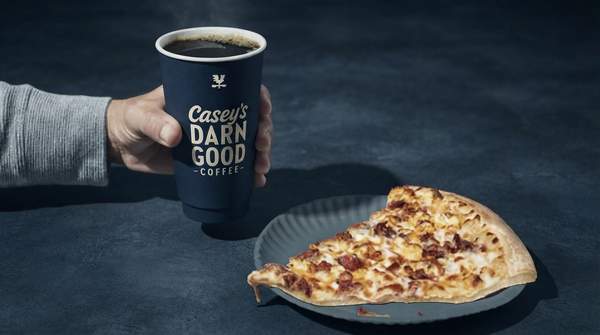
This trend is potent enough to elevate entire market segments. Convenience stores, for example, are undergoing a significant transformation from simple gas-and-snack stops into legitimate foodservice destinations. A 2026 C-Store Keynote report from Datassential reveals that this evolution is driven by improving consumer perceptions, new technology, and menu innovation, positioning these stores to compete directly with established quick-service restaurants. For years, C-store food carried a stigma, but Datassential notes this narrative is changing in what it calls a "reputation revolution." This shift signifies a broader industry inflection point where convenience, once a niche attribute, has become a central pillar for growth and building consumer trust.
Convenience-Driven Innovation Across F&B Segments
The overarching demand for convenience manifests in distinct ways across different sectors of the food and beverage industry. Each segment is developing unique innovations to meet specific consumer needs, leading to different strategic priorities and competitive dynamics. While the core driver is the same, the execution varies significantly based on the context of consumption, from an on-the-go snack to a simplified home-cooked dinner.
| Market Segment | Primary Consumer Need | Key Innovations | Strategic Implication |
|---|---|---|---|
| Convenience Store Foodservice | Immediate gratification and high-quality, on-the-go meal solutions that replace a traditional fast-food stop. | Elevated prepared foods, grab-and-go options, and strategic product placement. Prepared items now account for over a third of impulse buys. | C-stores are increasingly competing with quick-service restaurants, requiring investment in menu quality and freshness to build consumer trust. |
| At-Home Cooking | Reduced meal preparation time and simplified cooking processes for restaurant-quality food at home. | Ready-to-use meal starters, sauces, and bases with authentic global flavors. The frozen meal category is also innovating beyond standard microwaveable entrees. | Companies must offer cooking shortcuts that do not compromise on quality or flavor, balancing convenience with consumer desire for customization and variety. |
| Packaged Goods | Portability, instant satisfaction, and minimal effort for consumption, aligning with time-flexible eating patterns. | Single-serve formats, ready-to-eat products, and advanced packaging. Stabilizers and texturants are used to maintain quality and an indulgent mouthfeel. | The focus is on creating high-performance nutrition for "life-in-motion," delivering the experience of a fresh meal in a shelf-stable format. |
In convenience stores, the opportunity lies in capturing impulse purchases, which are primarily driven by product visibility and merchandising. According to Datassential, prepared food items represent over one-third of these impulse buys, a significant and often overlooked opportunity. While C-stores remain heavily reliant on pre-made products due to labor constraints, the firm notes a modest but growing shift toward using more scratch ingredients to meet consumer demand for freshness. For at-home cooking, time-pressed consumers are seeking shortcuts to create restaurant-quality meals. This has fueled a boom in ready-to-use meal starters, sauces, and bases. A report from the U.S.
Chamber of Commerce highlights analysis from Market Research Future estimating the global cooking sauce market will grow from $28.9 billion in 2023 to $43.2 billion by 2032, driven by demand for both convenience and authentic global flavors. The frozen food aisle is also evolving, with innovations moving beyond standard microwaveable entrees into more sophisticated options.